The Joyful Escape: A Comprehensive Guide to Colouring Art
Are you searching for a creative outlet that's both deeply relaxing and incredibly rewarding? Look no further than Colouring Art! Often mistakenly seen as just a childhood pastime, modern adult colouring has exploded into a global phenomenon, offering profound therapeutic benefits and genuine artistic expression for people of all ages.
This isn't just about filling in lines anymore; it's about blending, shading, and choosing palettes that speak to your soul. Whether you are a stressed professional needing a downtime activity or someone simply looking to spark creativity, Colouring Art is an accessible and joyful hobby waiting for you.
We'll walk through the immense benefits, the essential tools you'll need, and fantastic techniques to truly master your next colouring masterpiece.
Why Embrace Colouring Art?
The appeal of Colouring Art goes far beyond simple aesthetics. It taps into our psychological need for focus, control, and mindfulness. It is a structured activity that allows your mind to rest while your hands stay busy.
Furthermore, because the lines are already drawn, it removes the pressure of composition, letting you focus entirely on the application of colour and texture. This makes it a perfect entry point into the world of visual arts.
The Unexpected Mental Health Boost
One of the most powerful reasons to engage in Colouring Art is its proven ability to reduce stress and anxiety. When you focus on the detailed work of colouring, your brain enters a meditative state, forcing you to be present in the moment.
The act of repetitive motion and the satisfaction of seeing an image come to life releases tension. According to clinical studies, colouring can significantly lower heart rate and respiratory rate, offering a genuine sense of calm.
Perfecting Your Focus and Fine Motor Skills
While you relax, your brain is actually engaging in gentle exercise. Holding the pencil correctly and maneuvering around intricate patterns helps to refine your fine motor skills. This improvement is particularly beneficial for those looking to maintain hand dexterity.
Additionally, the intricate nature of detailed colouring pages trains your brain to maintain focus for longer periods. It's a wonderful, low-stakes way to practice concentration without the stress of work deadlines.
Essential Tools for Your Colouring Art Journey
Getting started with Colouring Art doesn't require a huge investment, but choosing the right tools will drastically improve your experience and the final result. High-quality materials allow for smoother blending and more vibrant colours.
It's important to remember that different tools suit different styles. Someone focusing on detail might prefer pencils, while someone aiming for bold, impactful images might opt for markers.
Choosing the Right Mediums (Pencils vs. Markers vs. Gel Pens)
The choice of colouring medium is entirely personal, but each offers unique characteristics. Experimentation is key, but here is a quick overview of the most popular choices in Colouring Art.
High-Quality Colouring Pencils: The Artist's Favorite
Pencils offer the highest level of control and are essential for detailed work, shading, and blending. Look for pencils with an oil or wax-based core, as these provide richer pigment transfer and smoother application.
- Wax-based pencils: Great for layering and softer colour saturation.
- Oil-based pencils: Provide harder leads and are excellent for holding fine points and blending seamlessly.
- Watercolour pencils: Versatile option that can be used dry or activated with water for a paint-like finish.
Markers and Their Vibrant Impact
If you crave highly saturated, brilliant colours, markers are your best friend. They cover large areas quickly and provide a smooth, uniform appearance. However, be cautious of bleed-through, especially on thin paper.
Alcohol-based markers are favoured by many serious colourists for their blendability, though water-based markers are often less likely to bleed through standard colouring book paper.
Selecting the Best Colouring Books and Pages
The paper quality is arguably as important as the tool itself. Always prioritize books printed on thick, heavy stock paper (often labelled as cardstock or Bristol board). If you plan to use markers, look for books that are single-sided.
When selecting your book, consider the complexity. Beginners might enjoy simpler geometric patterns, while experienced colourists often tackle highly detailed fantasy scenes or intricate mandalas.
Techniques and Tips to Level Up Your Colouring Art
Once you have your tools, it's time to move beyond basic flat colouring. Utilizing simple techniques can transform your page from a flat image into a dynamic piece of art. This is where the true artistic joy of Colouring Art lies.
Remember that practice makes perfect. Don't be afraid to try techniques on scrap paper before committing to your main project.
Mastering Blending and Shading
Shading gives depth and realism to your work, simulating where light hits and where shadows fall. Blending helps transition smoothly between different colours or shades of the same colour.
Here are crucial steps for achieving excellent blending with pencils:
- Light Layers First: Start with a very light hand, applying only a tiny bit of pigment. Build up the colour gradually.
- Circular Motion: Use small, circular motions rather than long strokes to avoid harsh lines and achieve a smooth finish.
- Burnishing: Once you have layered several colours, use a sharp, light-coloured pencil (or a specialized blending tool) and press firmly over the area. This merges the pigments into a single, highly saturated surface.
- Use Complementary Colours for Shadows: Don't just use black! Using the complementary colour (e.g., deep blue to shade yellow) adds complexity and richness to your shadows.
Understanding the Colour Wheel (Quick Primer)
A basic understanding of the colour wheel will dramatically improve your results in Colouring Art. Knowing which colours work well together helps you select harmonious palettes.
Consider these fundamental colour schemes:
- Monochromatic: Using different shades and tints of a single colour (e.g., light green, medium green, dark green).
- Analogous: Using colours that are next to each other on the wheel (e.g., blue, blue-green, green). This creates a soothing, low-contrast image.
- Complementary: Using colours directly across from each other (e.g., red and green, blue and orange). This creates high contrast and visually striking results.
When in doubt, choose an analogous scheme for peaceful images and a complementary scheme for areas you want to pop!
Conclusion: The Timeless Appeal of Colouring Art
Colouring Art is so much more than a trend; it is a proven method for relaxation, focus, and artistic exploration. From the simple act of choosing your colour palette to mastering advanced blending techniques, this hobby provides endless opportunities for creativity and self-care.
By investing in quality materials and embracing the techniques of shading and blending, you can transform simple outlines into true works of art. So grab your favourite pencils, open that beautiful colouring book, and enjoy the calming, rewarding world of Colouring Art. Your next moment of peaceful creativity is just a stroke away!
Frequently Asked Questions (FAQ) about Colouring Art
- Is Colouring Art truly effective for stress relief?
- Yes, absolutely. Studies confirm that the focused, repetitive nature of colouring shifts your attention away from stressors, initiating a meditative state that lowers anxiety and heart rate.
- What is the single most important tool I need to buy as a beginner?
- While books and pencils are crucial, the most important tool is the paper itself. Ensure your book uses heavy, bleed-resistant paper, especially if you plan on experimenting with markers or wet mediums. Good paper ensures your hard work doesn't bleed through.
- How do I avoid getting pencil lines or streaks in my colouring?
- The secret is layering and technique. Use light pressure initially and work in small, continuous circular motions instead of harsh straight lines. This fills the paper's tooth evenly and reduces visible streaks.
- Are gel pens considered good for Colouring Art?
- Gel pens are excellent for adding highlights, fine details, or metallic accents, but they are generally not ideal for colouring large areas due to potential streaking and slower drying time. Use them strategically for sparkle and pop.
- How long does a detailed colouring page usually take?
- The time commitment varies greatly based on detail and the desired effect. A simple page might take 30 minutes, but a highly detailed, shaded piece requiring advanced blending techniques can easily take 5 to 10 hours, often spread out over several days or weeks.
Colouring Art
Colouring Art Wallpapers
Collection of colouring art wallpapers for your desktop and mobile devices.
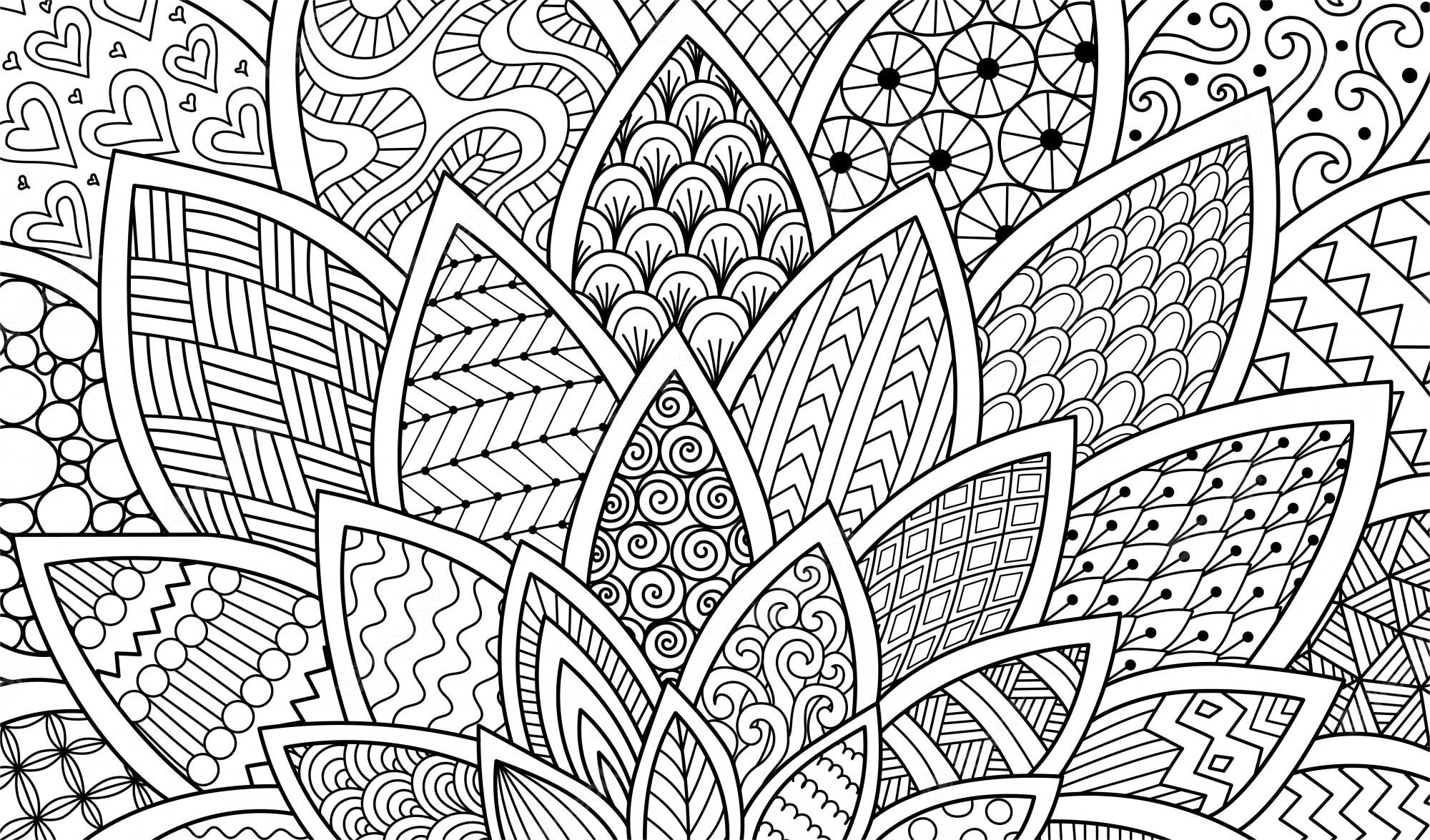
Amazing Colouring Art Wallpaper Collection
Explore this high-quality colouring art image, perfect for enhancing your desktop or mobile wallpaper.
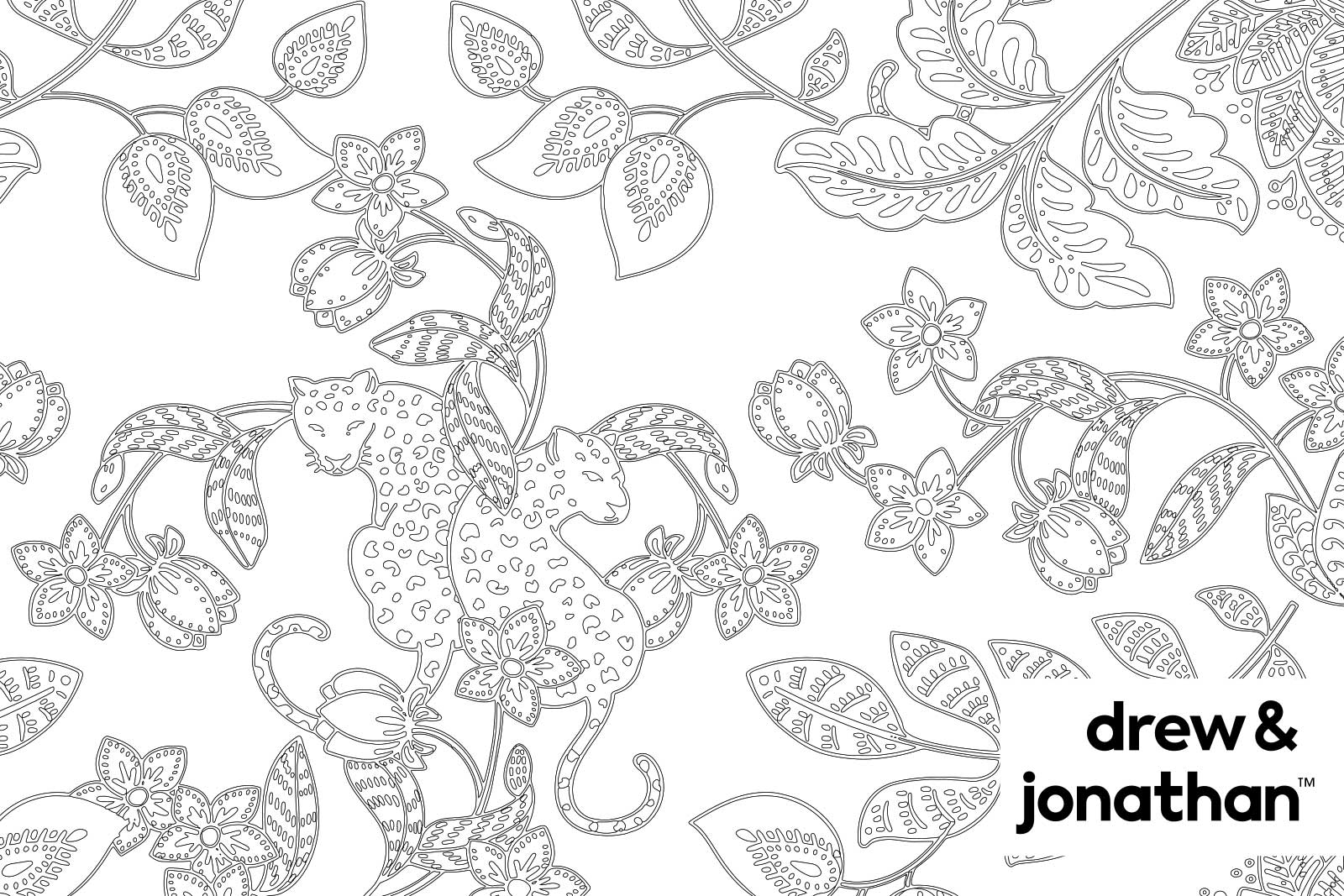
Detailed Colouring Art Image Art
Transform your screen with this vivid colouring art artwork, a true masterpiece of digital design.

Dynamic Colouring Art Moment Collection
A captivating colouring art scene that brings tranquility and beauty to any device.

Artistic Colouring Art Photo for Your Screen
Find inspiration with this unique colouring art illustration, crafted to provide a fresh look for your background.

Gorgeous Colouring Art Design for Mobile
This gorgeous colouring art photo offers a breathtaking view, making it a perfect choice for your next wallpaper.
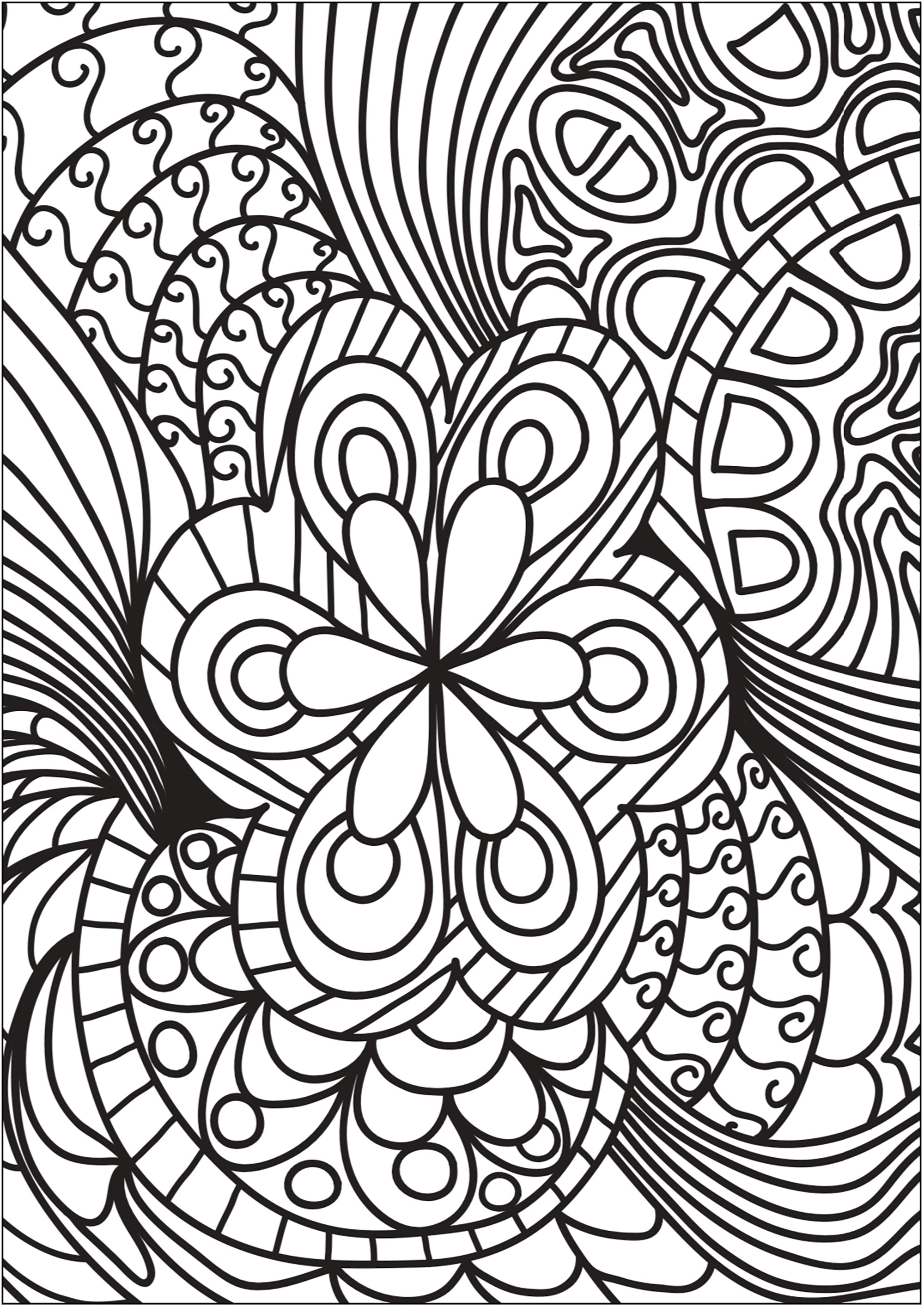
Amazing Colouring Art Moment in HD
Explore this high-quality colouring art image, perfect for enhancing your desktop or mobile wallpaper.
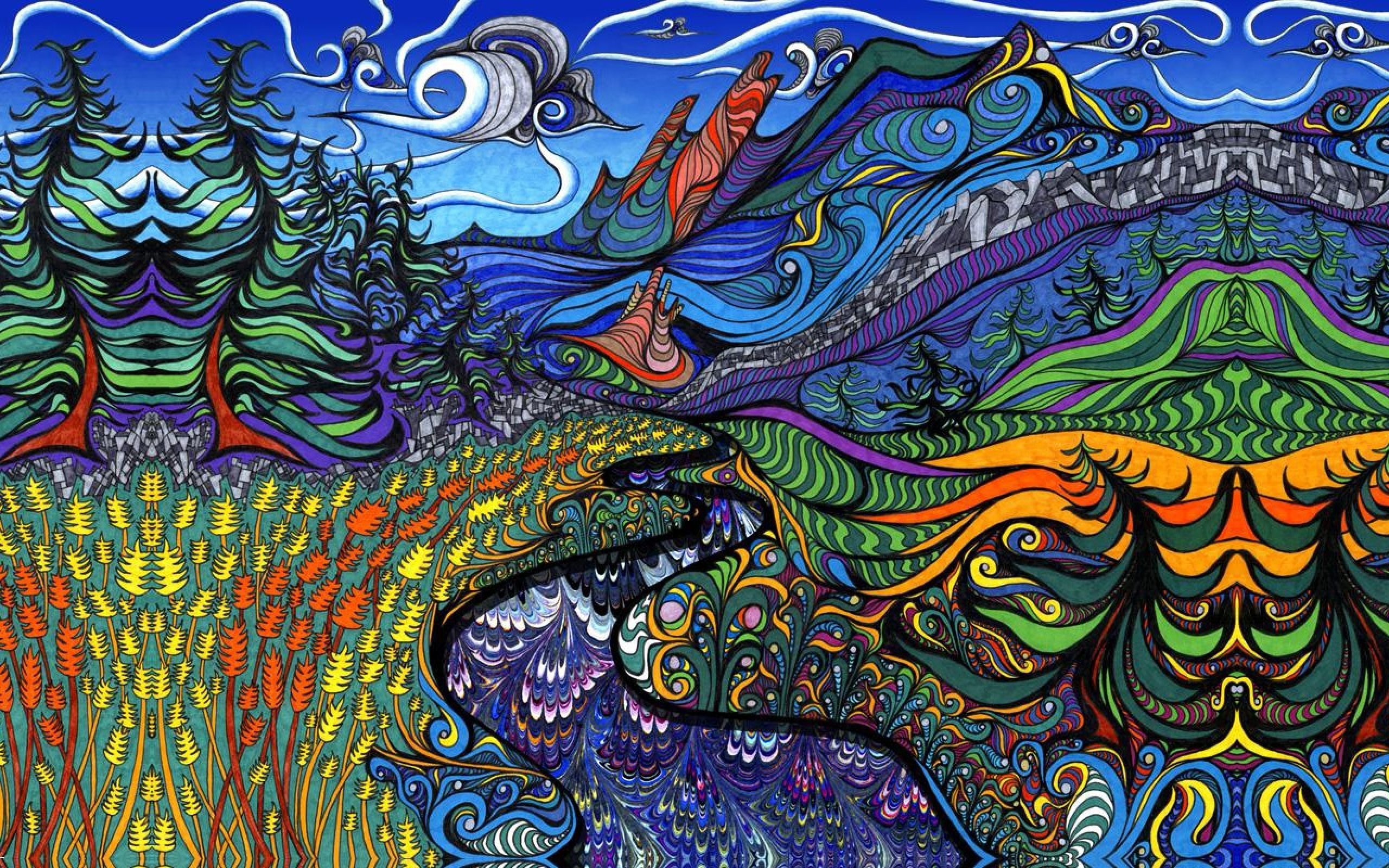
Spectacular Colouring Art Design for Mobile
Find inspiration with this unique colouring art illustration, crafted to provide a fresh look for your background.

Breathtaking Colouring Art Picture Illustration
Transform your screen with this vivid colouring art artwork, a true masterpiece of digital design.
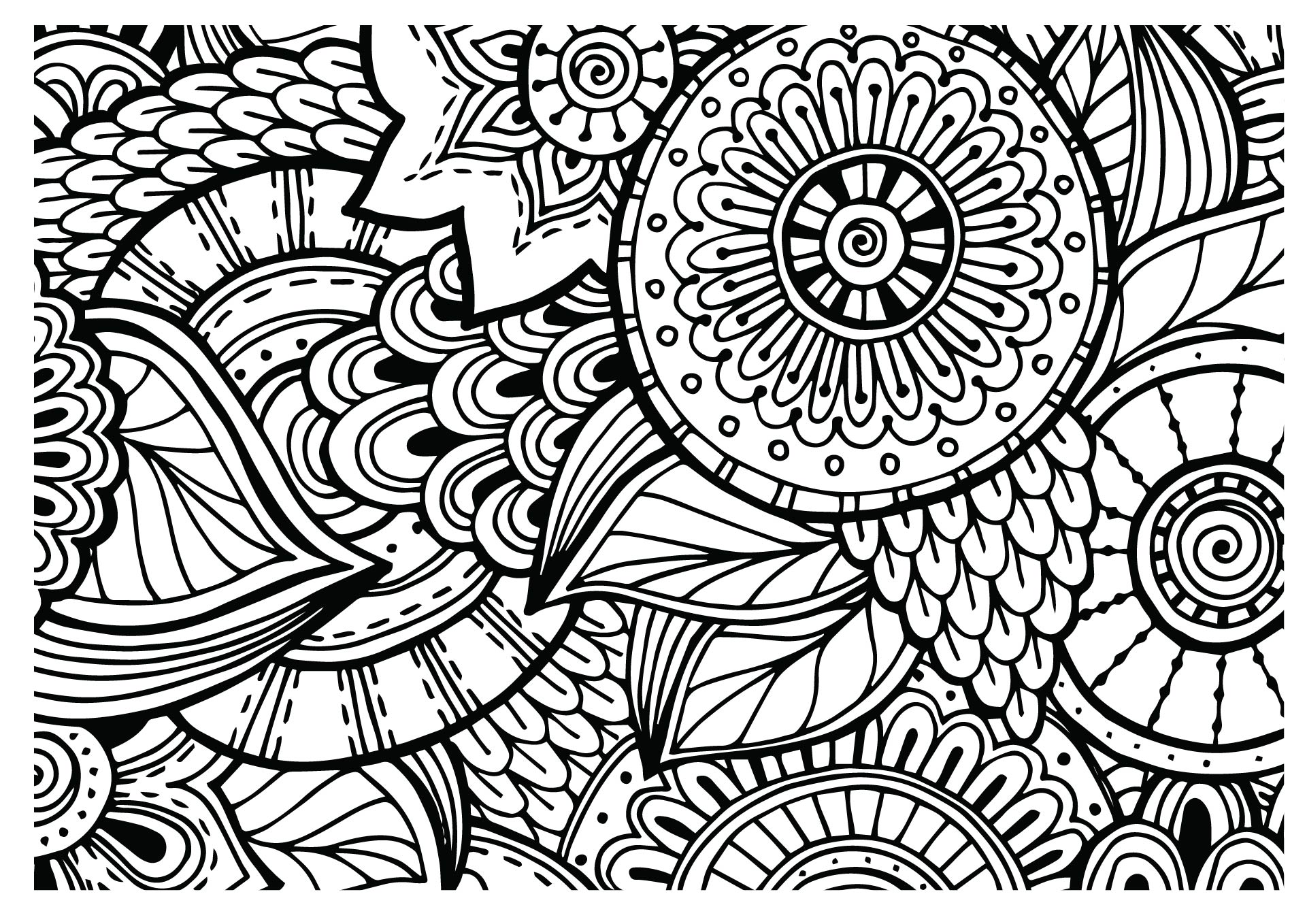
Mesmerizing Colouring Art Capture Digital Art
Transform your screen with this vivid colouring art artwork, a true masterpiece of digital design.
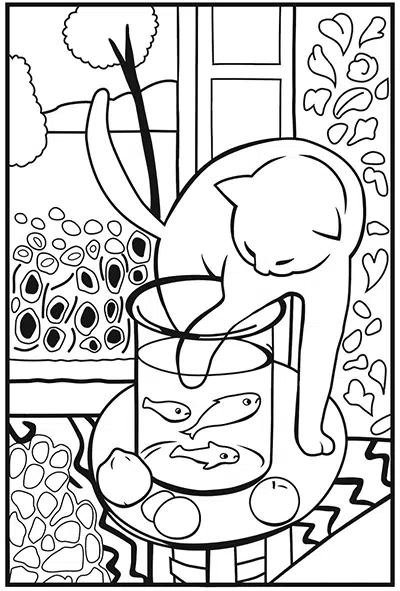
Vivid Colouring Art View in 4K
Discover an amazing colouring art background image, ideal for personalizing your devices with vibrant colors and intricate designs.

Exquisite Colouring Art View Digital Art
This gorgeous colouring art photo offers a breathtaking view, making it a perfect choice for your next wallpaper.

Gorgeous Colouring Art Capture in HD
This gorgeous colouring art photo offers a breathtaking view, making it a perfect choice for your next wallpaper.
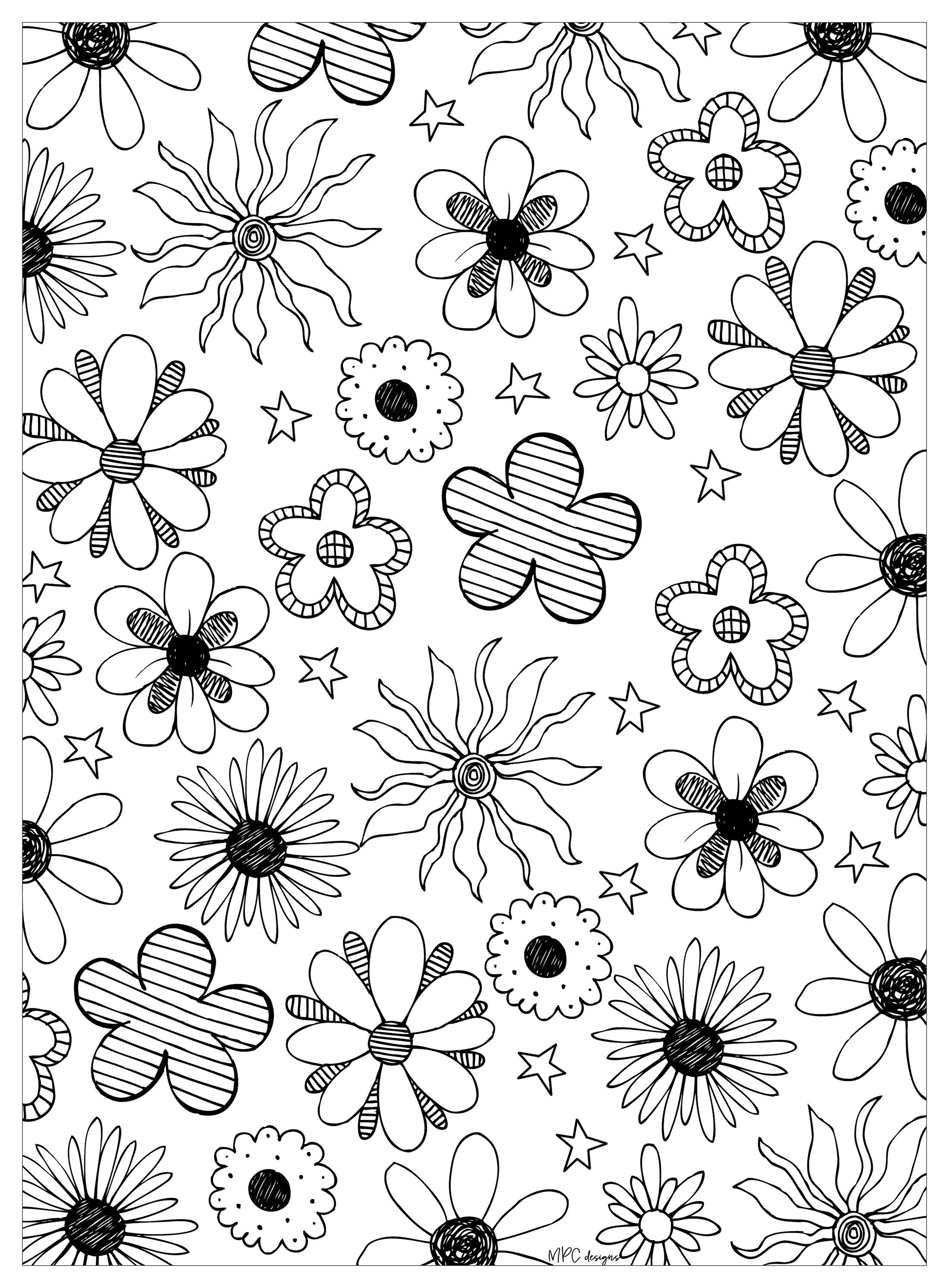
Detailed Colouring Art Scene in HD
Discover an amazing colouring art background image, ideal for personalizing your devices with vibrant colors and intricate designs.
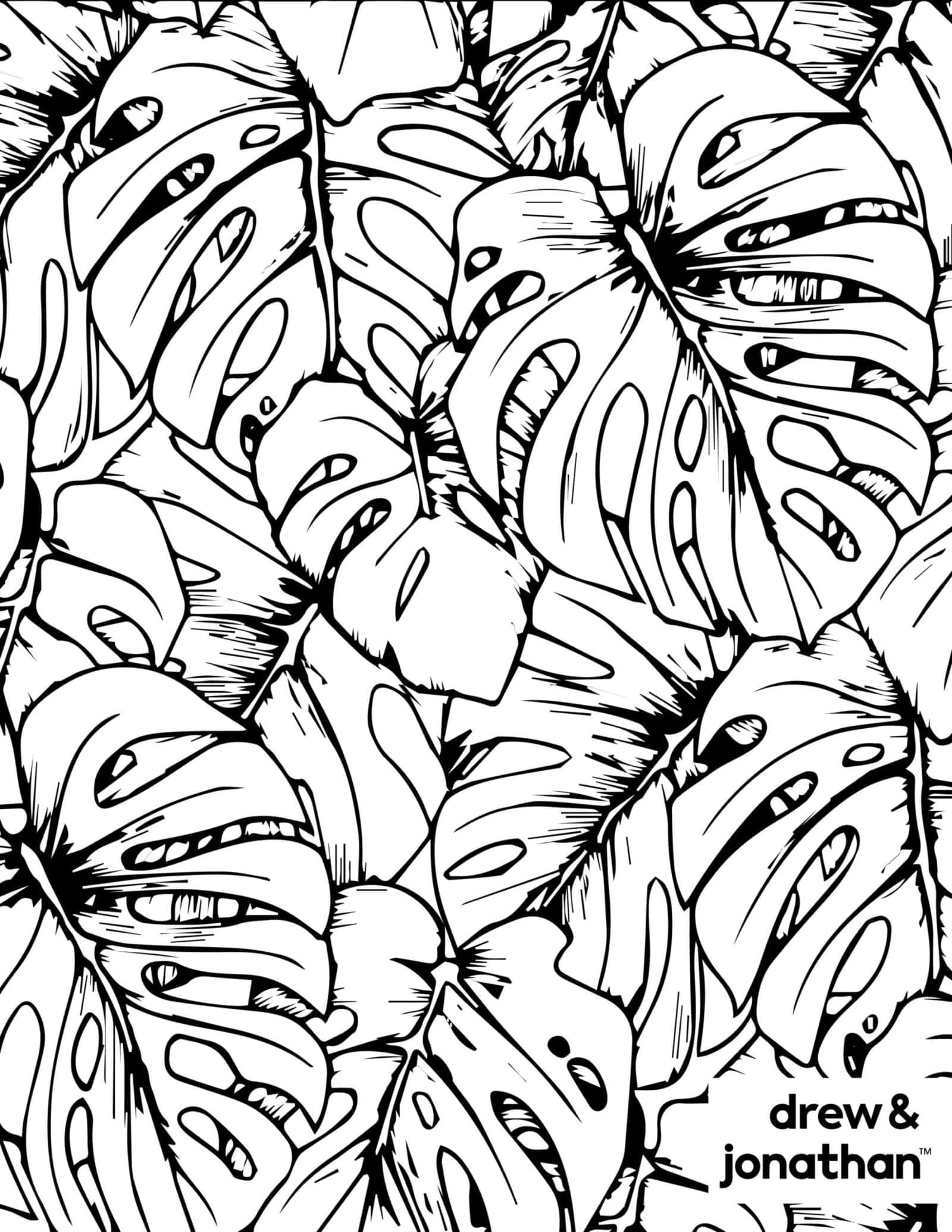
Vibrant Colouring Art Wallpaper for Mobile
Explore this high-quality colouring art image, perfect for enhancing your desktop or mobile wallpaper.
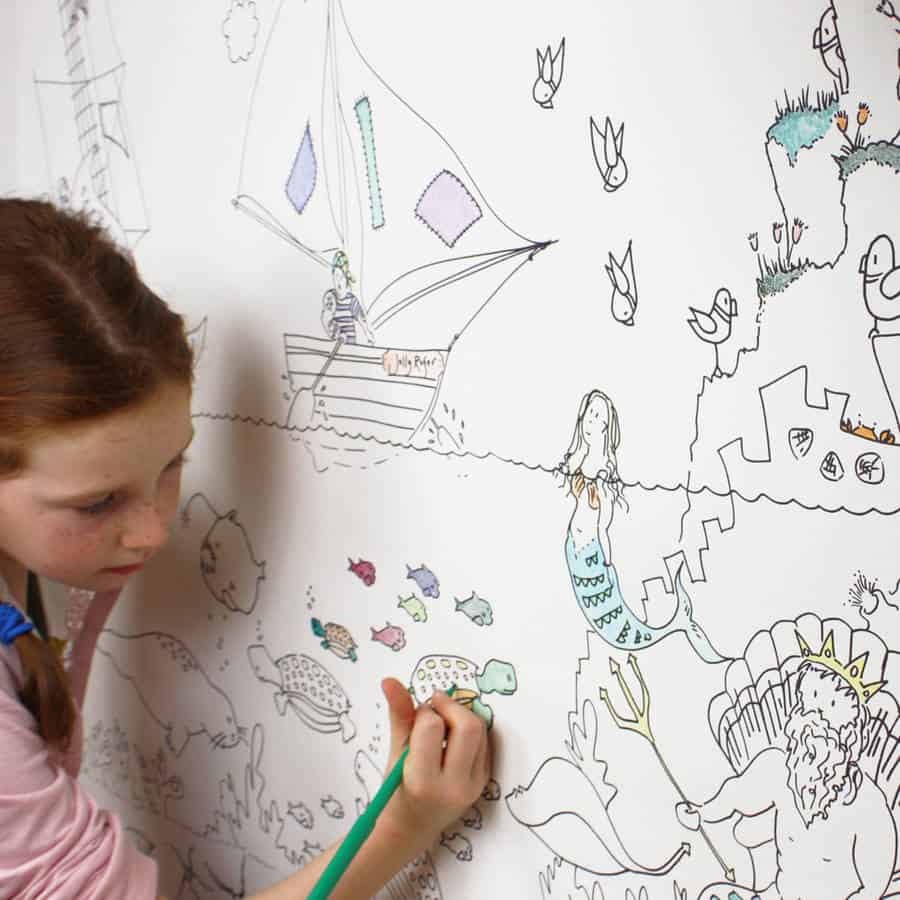
Gorgeous Colouring Art Moment Art
Immerse yourself in the stunning details of this beautiful colouring art wallpaper, designed for a captivating visual experience.
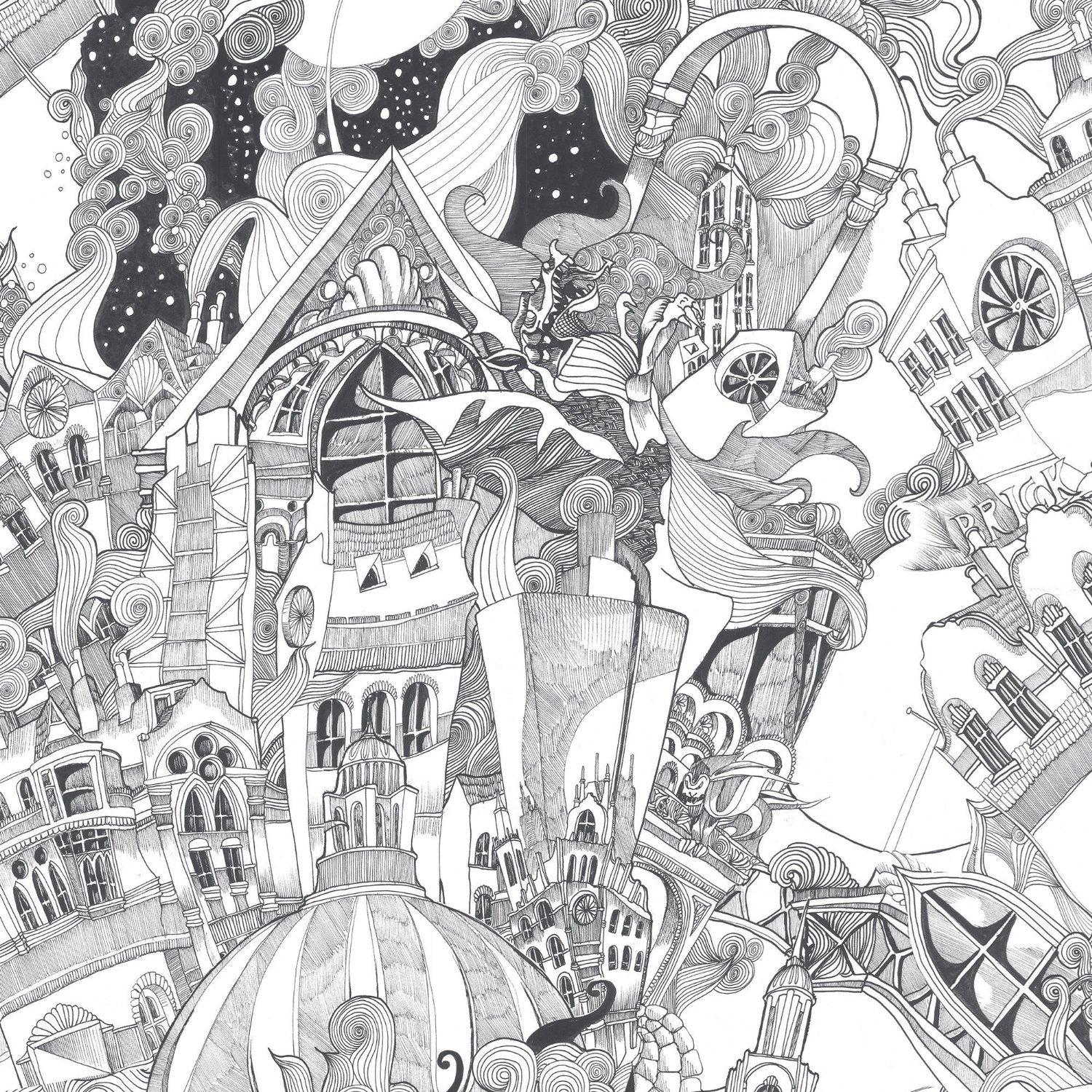
Dynamic Colouring Art Abstract for Your Screen
Find inspiration with this unique colouring art illustration, crafted to provide a fresh look for your background.

Captivating Colouring Art Image Collection
Immerse yourself in the stunning details of this beautiful colouring art wallpaper, designed for a captivating visual experience.

Dynamic Colouring Art View Nature
A captivating colouring art scene that brings tranquility and beauty to any device.
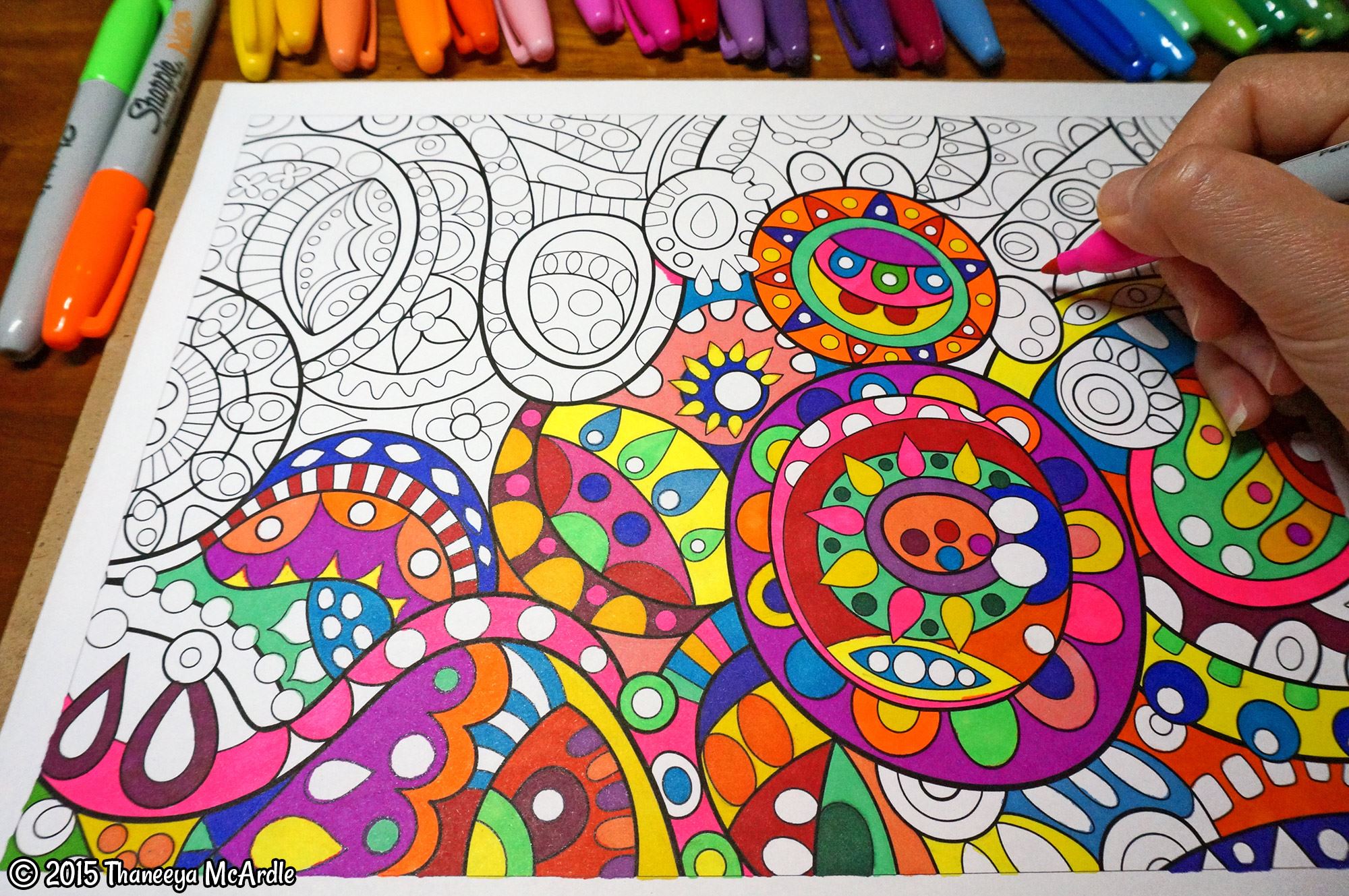
Stunning Colouring Art Capture for Your Screen
Find inspiration with this unique colouring art illustration, crafted to provide a fresh look for your background.

Dynamic Colouring Art Image Concept
A captivating colouring art scene that brings tranquility and beauty to any device.
Download these colouring art wallpapers for free and use them on your desktop or mobile devices.